
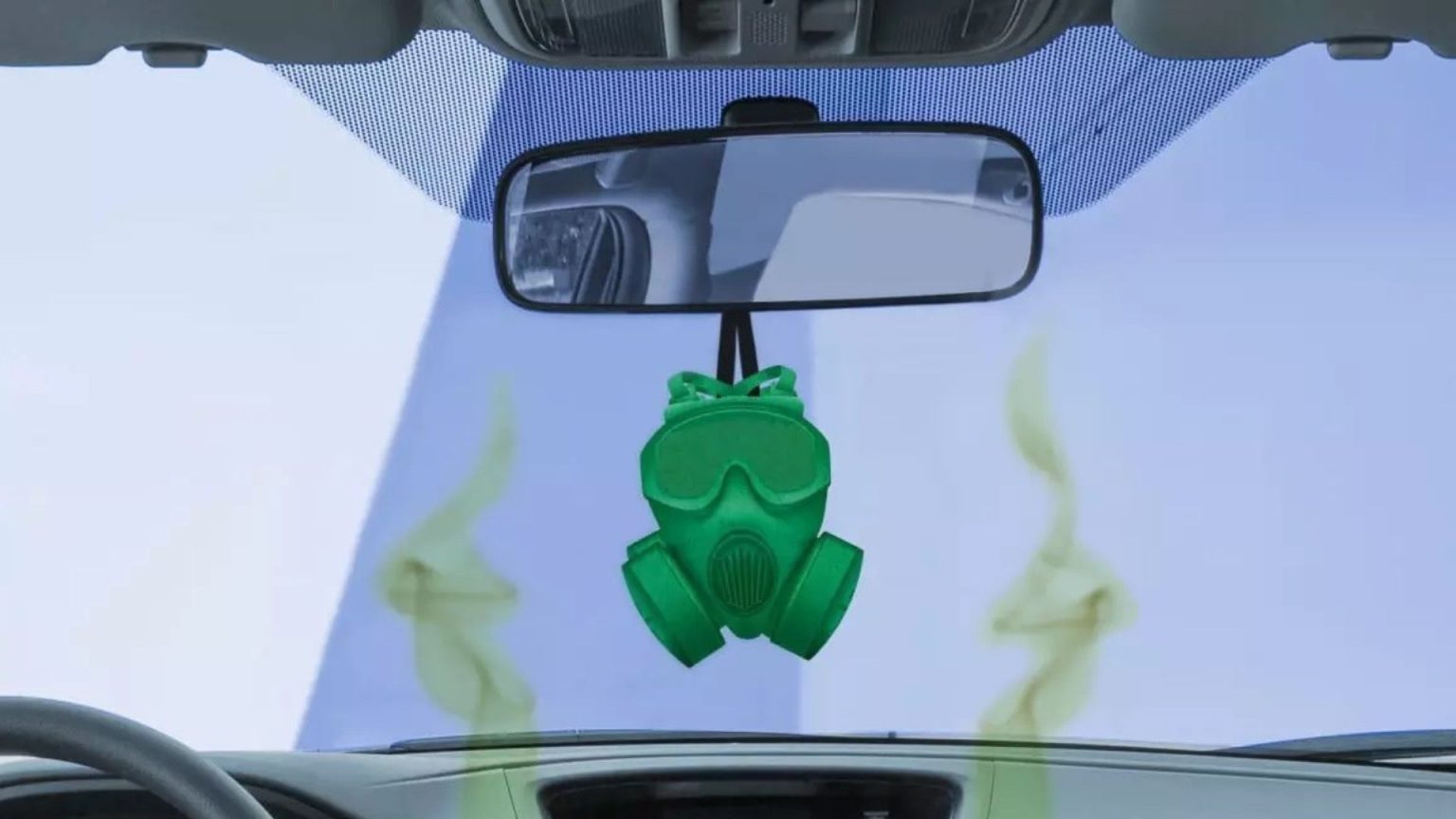
Regardless of where it may be, that is in your car, garage, or clothes. If the smell of gasoline just won’t leave, this could mean that there’s an issue that requires attention.
Although sometimes this smell can be due to refueling. If the smell of gasoline lingers, it may mean that there’s an issue that requires proper care. In addition to being irritating, merely smelling fuel may involve danger if not attended to. In this article, we will tell you why there may be an odor of fuel. And show you some effective steps to remove it.
Learn about Different Types of Car Smells with this detailed guide!
HOW TO REMOVE GASOLINE ODOUR FROM YOUR CAR
To eliminate the smell of gasoline in your vehicle, you have to eliminate the source of the smell. A spill can cause gasoline smells in cars. And this smell ought to dissipate when someone removes the source and properly cleans it.
First, you need to air out your vehicle. You do this by opening all doors and windows and allowing fresh air into your vehicle for as long as you can.
In case gasoline is spilled inside the vehicle, it must be absorbed as soon as possible. Gasoline can be absorbed using either paper towels or rags, as well as other materials such as baking soda or cat litter, in case gasoline was spilled in liquid form. Rubbing could spread gasoline further into carpets and seats.
Now, remove the stain by soaking it into the fuel. Clean the affected area by gently dabbing it with a solution made of lukewarm water, detergent, and a cloth, which is very effective for cloth-based surfaces. Wipe off rubber/plastic surfaces with an interior cleaner while avoiding any hazards.
To eliminate lingering smells, you will need the help of odor-absorbing materials. You can leave baking soda, activated carbon, or coffee grounds. Inside the car in separate containers to absorb the smells for several hours or overnight.
If the smell still lingers, it may be necessary to check if there is any mechanical problem. If it is a fuel smell, it could be a result of a leak in the fuel line. A loose gas cap, or other problems in the fuel system. In such a scenario, it would be advisable to have the car checked by a mechanic since fuel leaks can be hazardous.
By taking swift actions and applying the proper measures in cleaning, it is possible to get rid of most gas smells safely.
If the odor persists, it’s advisable not to overlook it but instead seek professional assistance to verify that your vehicle is roadworthy.
Learn about What is EGR Valve with this detailed guide!
Composition of Gasoline
Gasoline, also called petrol, is a refined product of petroleum consisting of a mixture of hydrocarbons. Gasoline is specially designed for easy ignitability, efficient burning, and use in internal combustion engines.
Essentially, hydrocarbons primarily compose gasoline, which consists of hydrogen and carbon atoms. The molecular size of these hydrocarbons generally varies within a specific limit so that gasoline can readily vaporize and then burn well inside the engine.
The most common hydrocarbon classifications are alkanes, alkenes, and aromatic hydrocarbons.
Aside from hydrocarbons, gasoline contains additives that enhance performance apart from protecting the engine. Such additives can be detergents that clean the fuel injectors, inhibitors that protect metal parts, or stabilizers that prolong the life span of the fuel before decomposing. Some gasoline types may also mix oxygenates, which can be ethanol, that improves the combustion process by ensuring that fuel does not emit hazardous materials.
The actual composition may vary depending on several factors, such as the geographical area, seasons, and regulatory conditions. Sometimes, winter gas may contain additives to evaporate easily in low temperatures, while summer gas may contain additives that help reduce evaporation and emissions in high temperatures.
Gasoline is a complex compound with a carefully balanced mix of power, fuel efficiency, engine safety, and environmental considerations, making gasoline a crucial but tightly regulated fuel for modern cars.
Learn about What is a Car Air Filter with this detailed guide!
The Natural Breakdown of Gasoline Over Time
Gasoline is not permanent and will naturally break down over time. Once gasoline is exposed to air, heat, and moisture, even if it is stored correctly, its chemical composition begins to change.
One of the major processes involved is oxidation. Some hydrocarbons in gasoline start to deteriorate when exposed to oxygen. This reaction may result in the formation of sticky residues called gums or varnish, which may block fuel systems and lead to poor engine performance.
Evaporation is another factor contributing to this phenomenon. Gasoline consists of lighter, more volatile components which evaporate quickly and disappear in due time. Eventually, all the heavier compounds in the fuel remain, making it less efficient and difficult to ignite.
Gasoline itself also has the potential to pick up moisture directly from the air, especially in humid environments. This can lead to phase separation in fuels containing ethanol, as the water and ethanol separate from the gasoline. This breakdown reduces the quality of the fuel while causing corrosion in fuel system components.
Temperature is another factor. Heat increases the rate of chemical reactions. Gasoline stored under warm conditions will break down at an accelerating rate compared to fuel in a cool, stable environment.
Due to these natural processes, gas usually begins to degrade after just a few months. Grasping the way that gasoline degrades over time will give you an idea of why old fuel can cause engine problems and proper storage and timely use have much to do with the quality of fuel.
Conclusion
Gasoline has the natural tendency to deteriorate over time, and its degradation is caused by the interaction between air, moisture, and temperature. The result of the chemical processes involving the oxidation, evaporation, and moisture absorption of gasoline is the loss of its efficiency to burn properly and the formation of toxic materials that can affect the performance of the vehicle’s engine.
Appreciating the natural tendency to deteriorate emphasizes the need to use fresh fuel, store gasoline properly, or avoid storing the fuel for a very long period.
Learn about What is Oxygen Sensor with this detailed guide!
FAQs
How long will it take for gasoline smell to go away?
It’ll take a week or two but the smell will go away on its own.
What cancels the smell of gasoline?
Baking soda and vinegar! Scrubbing these two components into your hands goes a long way in remedying the situation. Make sure to rinse it off after a few minutes.
Does baking soda work as a gas odor absorber?
Baking soda can absorb the lingering gasoline and start the deodorizing process. Sprinkle the baking soda liberally on the stain and let it stay for 24 hours. Rinse it off with water.
Can hand sanitizer eliminate gasoline odor?
Hand sanitizers containing ethanol or isopropanol will also break down gasoline oils and eliminate the smell. Further, it may not work very well compared to the use of rubbing alcohol because it has been combined with other compounds by the manufacturers to create the sanitizers. However, it can work effectively in removing the smell
Does vinegar degenerate gasoline?
Vinegar will immediately begin to break down the gasoline without damaging your clothing’s fibers. The water should be as hot as possible. Allow the clothes to soak in the vinegar and hot water for at least half an hour. If you spill a great deal of gasoline on your clothes, you should let them soak for an hour.
Learn about Reasons Why Car Jerks with detailed guide!