
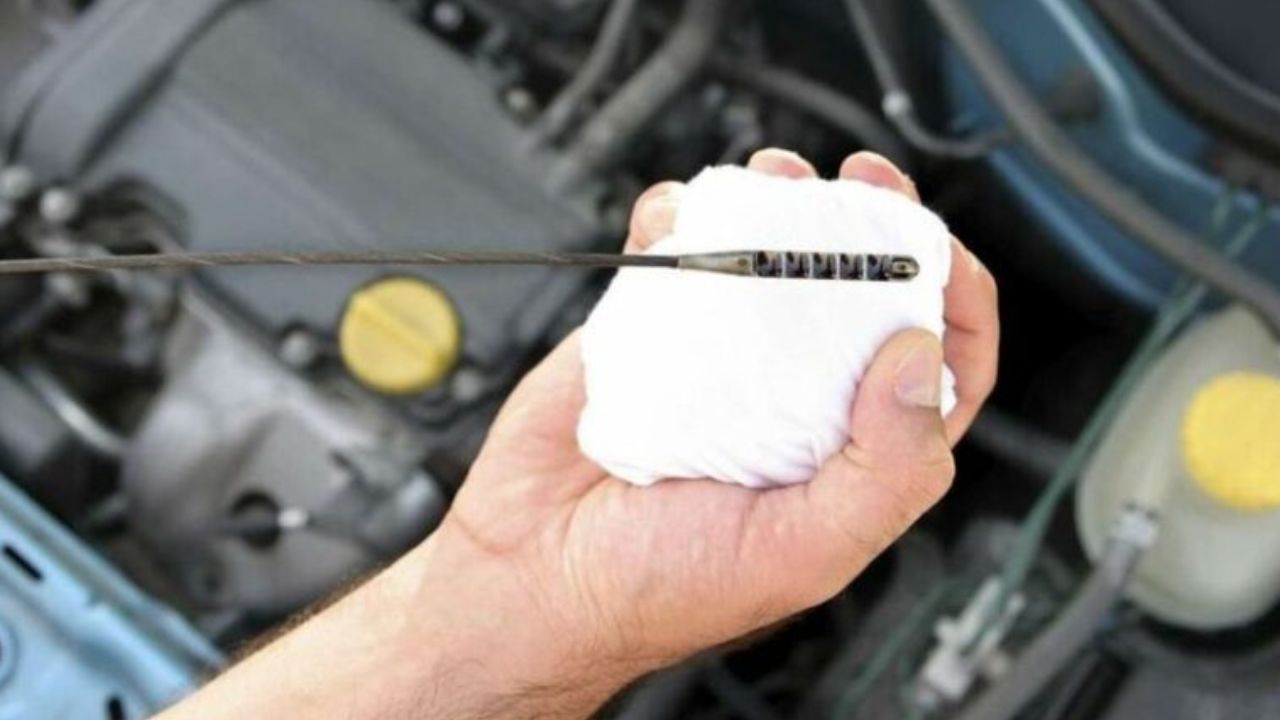
Your car can stay in good condition and operate efficiently with a quick DIY task. Consider the engine’s motor oil as its lifeblood. To keep your engine in good working order and get the most miles out of it, check its oil frequently. The oil lubricates the moving components inside the engine to prevent premature wear.
Minimizing dirt buildup also keeps the motor clean and prevents overheating. We advise you to check the oil level at each subsequent gas fill-up because it is a quick task. This is why in this reading, I’ll show you how you can check your car’s engine oil and read the oil level perfectly.
Let’s begin!
You should learn about How to change the Oil in Your Car with this detailed guide!
How To Check Your Engine Oil
Here’s how to check your engine oil: Park your car on a level surface and turn off the engine. Locate the oil dipstick. Pull the dipstick out and wipe it clean with a cloth.
Reinsert the dipstick and wait a few seconds before pulling it out again. Check the oil level. If it’s below the “low” mark, you’ll need to add more oil. If it’s above the “full” mark, you may have too much oil and should drain some out.
You should also learn about How Much it Cost to Replace an Oil Pan with this detailed guide!
Here are the following steps to check the engine oil in your car.
Get Ready to Check
Make sure your car is level with the ground, the engine is off, the transmission is in Park (or a lower gear if it’s a manual transmission), and the parking brake is engaged.
Raise the hood. Consult your owner’s manual for instructions if you’re unsure how to proceed. Most cars have a hood release lever under the left instrument panel. Additionally, before you can raise the hood, you must unlock a safety catch under the front edge of the hood.
Find the Dipstick
Most vehicles have a little colored handle with an oil-can sign on it; this makes it simple to identify the dipstick. Typically, this handle is yellow or orange.
Take Out the Dipstick
Remove the dipstick completely from the tube it is contained in. It is like pulling a sword from its sheath. To remove any oil from the dipstick’s tip, prepare a rag or paper towel.
The lower of the two lines at the dipstick tip indicates that there is one quart less oil than normal. The top line indicates that the crankcase, or the engine’s oil tank, is full. Moreover, there are dipsticks with markings like “full” and “add.”
Observe The Oil Level
Insert the dipstick carefully into the tube, pushing it down. When you take it out again, look closely at the tip; there should be oil. Your car has enough oil if the level is between the two lines. If the level is at or below the low mark, add a quart.
You should also learn about Synthetic Blend vs Full Synthetic Oil with this detailed guide!
Add Oil if Needed
You might need to top up the oil if its below the mininum or low. This can be done by locating the oil filler cap, You should check your owner’s manual if you can find it. Loose it, and pour in a small amount of the correct type of oil into it. You’ll have to wait few minutes, then recheck the level with the dipstick. You should repeat adding oil and checking process unitl the oil level is between the marks.
Wait and Double-check
After adding a quart of oil, allow it to drain into the crankcase for a few minutes before rechecking the level to ensure it is halfway between high and low. Your engine may function safely with a lower oil level while providing adequate lubrication.
Conclusion
Engine oil checking is one of the most simplest task you can perform yourself as a car owner. Also it’s the most important maintenance habit you should build over time. Taking a minute you check it can save you from costly repairs and unexpected breakdown.
Doing routine check on your dipstick will help you know if your engine has enough oil or whether it’s clean or ready for change. A proper oil level keep your engine running smoothly, reduce wear, and even help your vehicle last longer. I hope this reading was helpful, if so, kindly share with others and remember a quick check today can prevent big problems tomorrow. Doing this, you’ll have peace of mind every time you drive.
You should also learn about Symptoms And Common Causes Of Low Oil Pressure with this detailed guide!
FAQs
Do you check the oil when the engine is hot or cold?
You should check your oil when the engine is cold for the most accurate reading, which is typically after the car has been parked overnight or for several hours.
How to properly check engine oil?
Insert the clean dipstick slowly all the way into the tube, as if sheathing a sword. Make sure it’s pushed all the way down. Next, withdraw it slowly and check the tip, which should have oil on it. If there’s oil showing on the dipstick at the low mark or below it’s time to add a quart of oil.
How do you know if engine oil is low?
Symptoms of Low Engine Oil Include:
- Oil Warning Light. One of the most obvious signs of low engine oil is the oil warning light on your dashboard.
- Strange Engine Noises. Engine oil lubricates the various engine components, ensuring they move smoothly.
- Overheating.
- Exhaust Smoke.
Can I drive with a low oil level?
Each engine needs a certain amount of oil to function properly, which makes monitoring oil levels crucial for keeping your engine in great shape. Driving around with a low oil level puts your engine at risk of severe damage and eventual failure.
Can overfilling the oil damage the engine?
Engine damage
Too much lubricant in the system can cause pressure on the crankshaft to increase. This can result in oil entering the crankshaft exhaust pipe, running through into the combustion chamber, blocking the suction hose with oil soot and potentially leading to engine overload.
https://studentlesson.com/how-to-check-your-cars-engine-oil/